Operationalizing consistency across web and mobile through a three-tier token architecture and sustainable governance.
Context
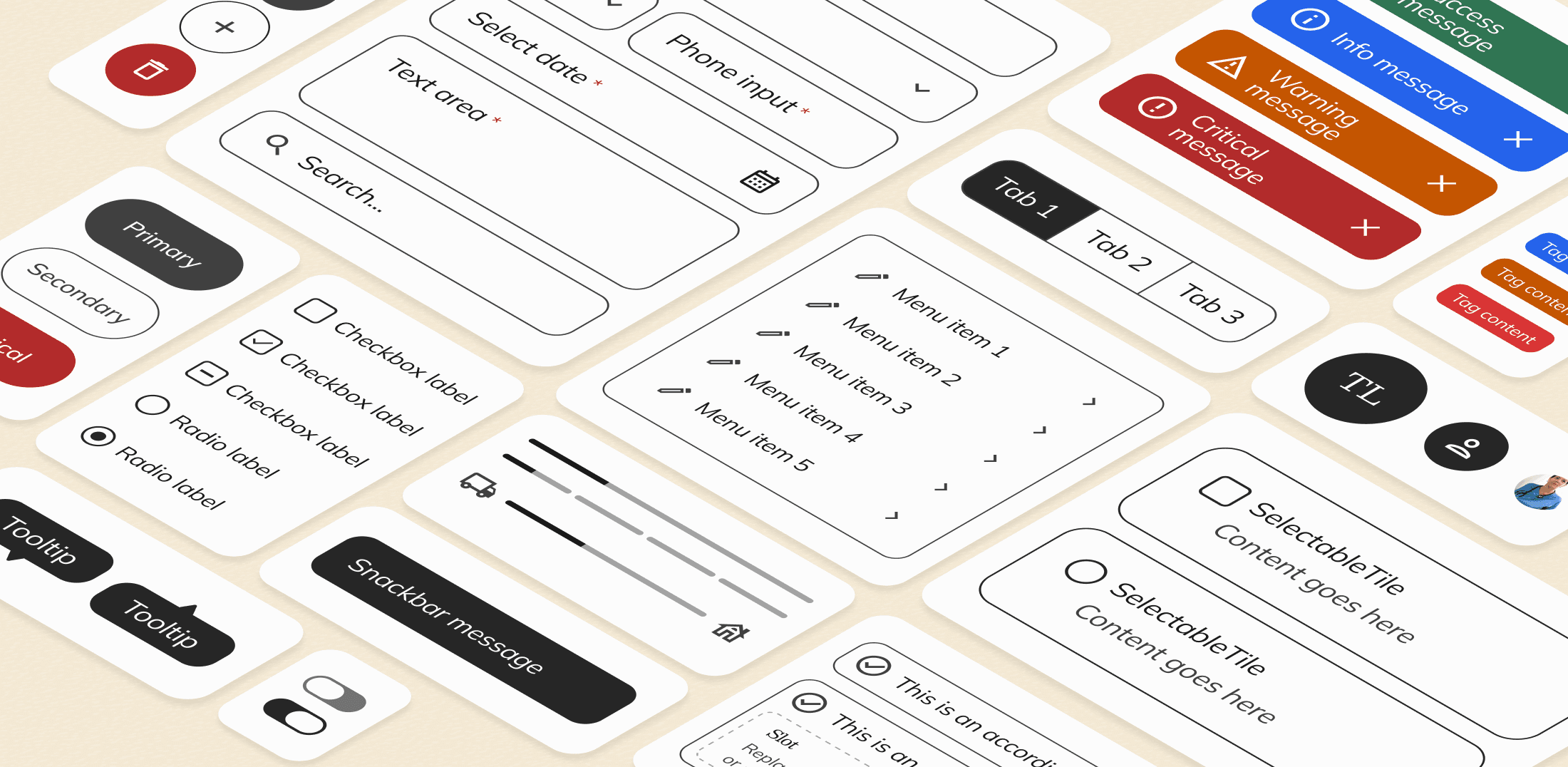
As Fullscript expanded, I played a key role in the evolution of Aviary, a multi-platform design system. I led a strategic audit of the existing library to consolidate components and streamline our scope for a multi-platform environment. By architecting the token structure and documenting its application, I helped create a scalable framework that synchronized design and engineering workflows across web and mobile.
Challenges
Platform Expansion
A mid-project pivot to native iOS required a flexible architecture that could serve both web and mobile teams from a single source of truth.
Legacy Cleanup
The codebase was filled with custom components. I partnered with Engineering to audit these patterns, consolidating or eliminating them to ensure a clean foundation.
High-Velocity Delivery
To meet the September 2025 launch date, I organized weekly rapid-feedback sprints to identify and prioritize the most critical components for launch.
Scaling with intent
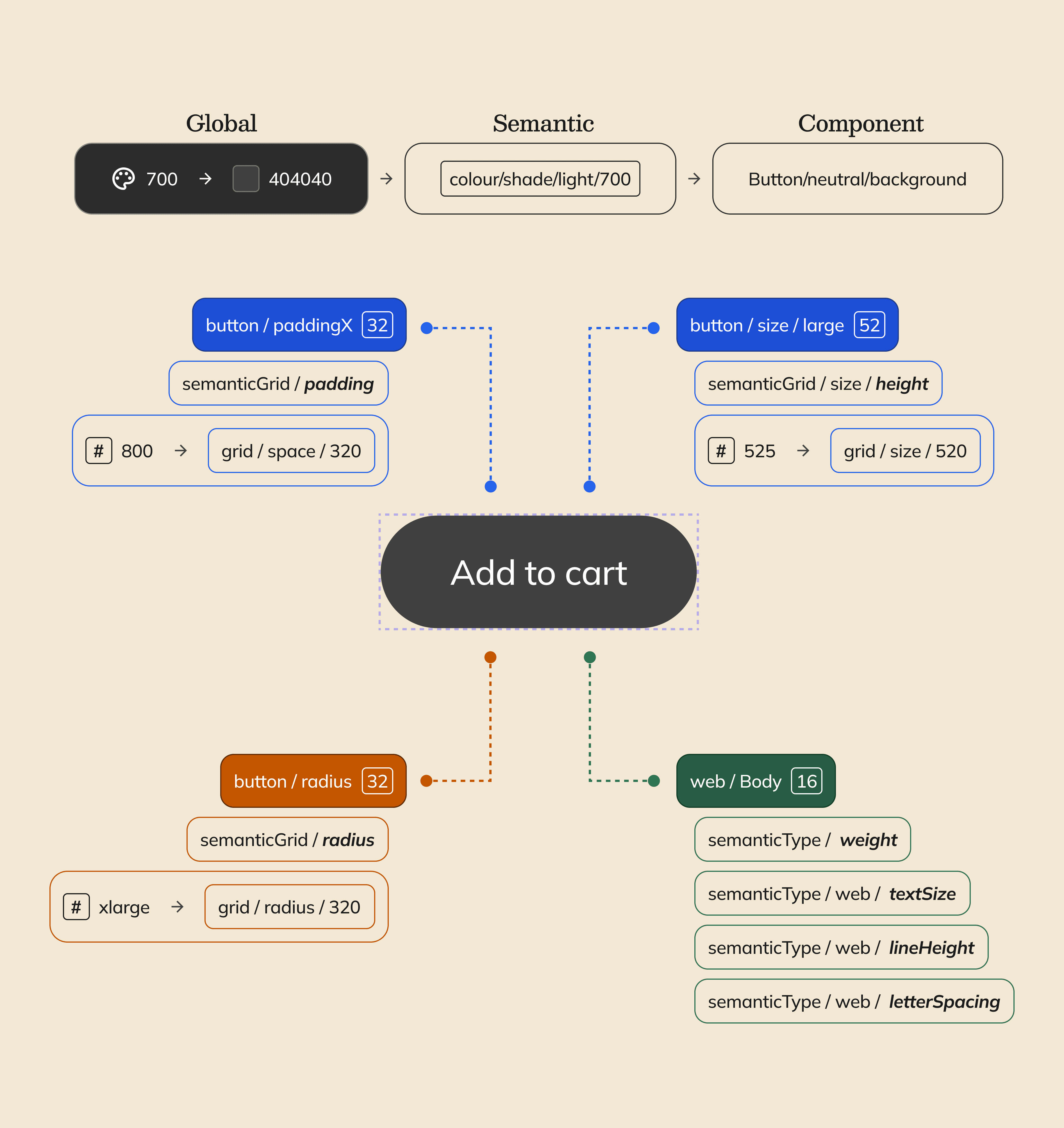
This architecture allows a single brand update to instantly update over 50 components. This automation removes manual maintenance and ensures that design and code never drift apart.
"Building a system is only half the battle; the real work lies in the stress-testing and governance that ensures it survives its first 1,000 users."

Thomas Le
Product Designer
Accessibility & theming
Cross-platform logic
To solve for platform parity, I partnered with native engineers to align our documentation and build approaches that accounted for platform-specific patterns. This created a single source of truth that cut development guesswork significantly and resulted in 4x faster handoff during high-stakes prototyping cycles.


Conclusion
This project was about more than just building a library. It was about creating a sustainable model for unified product development. By stress-testing every component state and focusing on accessible, reusable building blocks, I provided a foundation that allows the company to scale without sacrificing quality or speed.
70%
Core flow adoption
Remaining 30% prioritized for legacy technical debt and specialized edge cases.
95%
Design token coverage
5% intentional flexibility reserved for high-innovation experimental patterns.
4x
Faster handoff
Validated through accelerated prototyping cycles during strategy onsites.
"As a design system owner, Thomas contributed meaningfully to how the system evolved over time and played a vital part in rebuilding our system components to create engineering parity."

Brittany Clark
Sr. Product Designer | Fullscript | LinkedIn Recommendations
FAQs
How did you manage adoption across the organization?
What did the contribution model look like?
What was your biggest takeaway from this project?